Orange Spider Plant: The Ultimate Guide
Have you been looking for a plant that is not only visually appealing but also easy to care for? Look no further than the orange spider plant! This beautiful and unique plant is sure to brighten up any room in your home or office. In this guide, we will cover everything you need to know about the orange spider plant, from its origin to its care requirements.
The orange spider plant, also known as Chlorophytum comosum 'Vittatum', is a member of the spider plant family. It is a perennial herb that is native to South Africa and was first introduced to Europe in the late 19th century. The plant is characterized by its long, narrow leaves that are striped with white and green. The orange spider plant gets its name from the small, orange-colored flowers that bloom on its stems.
This plant is widely popular among indoor gardeners due to its ease of care and its eye-catching appeal. If you're new to plant parenting or simply looking for a low-maintenance addition to your collection, the orange spider plant is an excellent choice.
How to Care for Your Orange Spider Plant
Lighting: The orange spider plant prefers bright, indirect light. Avoid placing it in direct sunlight, as this can scorch its leaves. If you notice that your plant's leaves are turning yellow, it may be getting too much light.
Watering: The orange spider plant likes to be kept consistently moist, but not wet. Water it once per week, allowing the soil to dry out slightly between waterings. Be careful not to overwater, as this can lead to root rot.
Temperature: The orange spider plant prefers temperatures between 60-75°F (15-24°C). Keep it away from cold drafts and air conditioning vents.
Humidity: The orange spider plant thrives in high humidity environments. If your home is dry, consider placing a humidifier near the plant or misting it with water once per day.
Fertilizer: The orange spider plant does not require frequent fertilization. Feed it once per month during the growing season (spring and summer) with a balanced liquid fertilizer.
Propagation: The orange spider plant is easy to propagate. Simply take a cutting from the mother plant and place it in a glass of water until roots form. Then, plant the cutting in soil and care for it as you would a mature plant.
Pests and Diseases: The orange spider plant is relatively pest-free, but it can be susceptible to spider mites and mealybugs. Treat any infestations with an insecticidal soap or neem oil.
Potting: The orange spider plant likes to be slightly root-bound, so choose a pot that is one size larger than the current one. Use a well-draining soil mix with perlite or sand added.
Pruning: The orange spider plant does not require frequent pruning, but you can trim back any yellow or brown leaves to improve its appearance.
Toxicity: The orange spider plant is non-toxic to humans and pets, making it a safe choice for households with children or animals.
Benefits of Owning an Orange Spider Plant
There are many benefits to owning an orange spider plant beyond its visual appeal. Here are just a few:
Air Purification: Like other spider plants, the orange spider plant is known for its air-purifying properties. It can help remove toxins like formaldehyde and xylene from the air, making it a great choice for improving indoor air quality.
Low-Maintenance: The orange spider plant is incredibly easy to care for, making it an excellent choice for busy or novice plant parents.
Pet-Friendly: As mentioned above, the orange spider plant is non-toxic to pets, making it a safe choice for households with furry friends.
Versatility: The orange spider plant can be grown in a variety of environments, from low-light to bright, indirect light. This makes it a versatile addition to any home or office.
Frequently Asked Questions
Q1: How often should I water my orange spider plant?
A1: Water your orange spider plant once per week, allowing the soil to dry out slightly between waterings. Be careful not to overwater, as this can lead to root rot.
Q2: Can I propagate my orange spider plant? If so, how?
A2: Yes, the orange spider plant is easy to propagate. Simply take a cutting from the mother plant and place it in a glass of water until roots form. Then, plant the cutting in soil and care for it as you would a mature plant.
Q3: Does the orange spider plant require fertilizer?
A3: The orange spider plant does not require frequent fertilization. Feed it once per month during the growing season (spring and summer) with a balanced liquid fertilizer.
Q4: Is the orange spider plant toxic to pets?
A4: No, the orange spider plant is non-toxic to pets, making it a safe choice for households with furry friends.
Q5: What are the ideal growing conditions for an orange spider plant?
A5: The orange spider plant prefers bright, indirect light; consistent moisture; temperatures between 60-75°F (15-24°C); and high humidity.
Q6: How can I prevent spider mites and mealybugs from infesting my orange spider plant?
A6: Treat any infestations with an insecticidal soap or neem oil. You can also prevent infestations by keeping your plant in a clean environment and avoiding overwatering.
Q7: Can I use tap water to water my orange spider plant?
A7: Yes, you can use tap water to water your orange spider plant. However, if your tap water is high in chlorine or other chemicals, it may be beneficial to let it sit out overnight before watering your plant.
Q8: How often should I fertilize my orange spider plant?
A8: Feed your orange spider plant once per month during the growing season (spring and summer) with a balanced liquid fertilizer.
Q9: How big can an orange spider plant grow?
A9: The orange spider plant can grow up to 2-3 feet (60-90 cm) in length, including its leaves and stems.
Q10: Can I prune my orange spider plant? If so, how?
A10: Yes, you can trim back any yellow or brown leaves to improve the appearance of your orange spider plant. Use clean, sharp scissors and make clean cuts at the base of the leaf stem.
The orange spider plant is a beautiful and low-maintenance addition to any indoor garden. With its air-purifying properties, ease of care, and pet-friendly nature, it's no wonder that this plant is so popular among plant parents. By following the care tips outlined in this guide, you can ensure that your orange spider plant thrives for years to come.
11 Orange spider plant Images

Mandarin Plant Easy Houseplant 25 Seeds Chlorophytum Orange Stems

Shop Faux Orange Spider Dahlia Stem Spike Up Fall Decor With Our Faux

Orange Spider Like It No Leave A Comment Orange Spider Spider

Chlorophytum Orchidastrum Green Orange Spider Plants Airplane

Pin On Theraphosidae

Pin On SPOOKY SPIDER
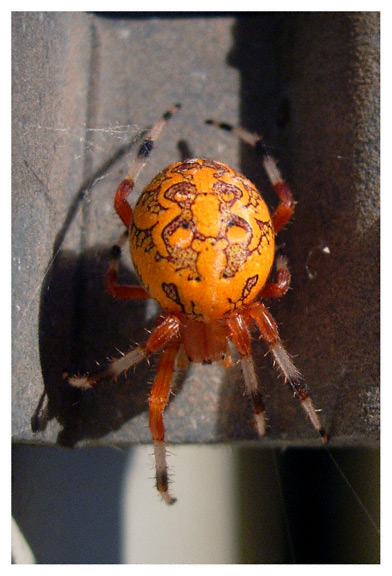
Spider Orange And Google Images On Pinterest

Spider Plant Variegated Airplane Plant Live Plant Fit 1QRT Pot Indoor

Spider Tarantula Arachnids Spiders

Mandarin Plant Easy Houseplant 10 Seeds Chlorophytum Etsy Plants

Pin On Etsy Community
Post a Comment for "Orange Spider Plant: The Ultimate Guide"