Succulents With Red Flowers: A Guide to the Most Striking Varieties
Are you looking to add a pop of color to your garden or indoor space? Look no further than succulents with red flowers! These striking plants are not only beautiful, but they're also low-maintenance and come in a variety of shapes and sizes. In this guide, we'll explore some of the most popular species of succulents with red flowers, along with tips for caring for them.
Succulents have been growing in popularity in recent years, and it's easy to see why. These plants are known for their unique and often otherworldly appearance, as well as their ability to thrive in even the harshest conditions. Succulents with red flowers, in particular, are a great way to add a bold splash of color to your landscape or home decor.
One of the best things about succulents is that they're incredibly adaptable. They can be grown indoors or out, in containers or in the ground, and in a wide range of climates. Plus, they require very little water and are extremely low-maintenance. All of these factors make succulents with red flowers an excellent choice for both novice and experienced gardeners alike.
So let's dive into some of the most stunning varieties of succulents with red flowers, and learn how to care for them!
The Most Striking Succulents With Red Flowers
1. Echeveria 'Red Velvet'
The Echeveria 'Red Velvet' is a beautiful cultivar with velvety, deep-red leaves that form a rosette shape. When it blooms, it produces stunning red-orange flowers on tall stems. This plant prefers bright but indirect light and well-draining soil. It should be watered sparingly, allowing the soil to dry out completely between waterings.
2. Crassula 'Campfire'
The Crassula 'Campfire' is a small succulent with leaves that turn bright red in full sun. It produces tiny white flowers in the spring and summer. This plant prefers bright light and well-draining soil, and should be watered when the soil is dry to the touch.
3. Kalanchoe 'Flapjack'
The Kalanchoe 'Flapjack' is a unique succulent with flat, pancake-shaped leaves that turn a bright red color in full sun. It produces small clusters of yellow flowers in the winter. This plant prefers bright but indirect light and well-draining soil. It should be watered sparingly, allowing the soil to dry out between waterings.
4. Aloe 'Firecracker'
The Aloe 'Firecracker' is a stunning succulent with spiky, deep-green leaves and bright-red flowers that resemble firecrackers. This plant prefers bright light and well-draining soil, and should be watered only when the soil is completely dry.
5. Sedum 'Dragon's Blood'
The Sedum 'Dragon's Blood' is a low-growing succulent that forms a mat of deep-red foliage. In the summer, it produces clusters of pink flowers. This plant prefers full sun and well-draining soil, and should be watered sparingly.
6. Graptopetalum 'Vera Higgins'
The Graptopetalum 'Vera Higgins' is a striking succulent with rosettes of grayish-green leaves that turn a deep red in full sun. When it blooms, it produces clusters of pink flowers. This plant prefers bright but indirect light and well-draining soil, and should be watered sparingly.
7. Crassula 'Buddha's Temple'
The Crassula 'Buddha's Temple' is a unique succulent with stacked, triangular leaves that turn red in full sun. It produces small clusters of white flowers in the winter. This plant prefers bright but indirect light and well-draining soil. It should be watered sparingly.
8. Euphorbia milii
The Euphorbia milii, also known as the Crown of Thorns, is a spiny succulent with bright-green leaves and clusters of red, pink, or yellow flowers. This plant prefers bright light and well-draining soil, and should be watered when the soil is dry to the touch.
9. Aeonium 'Sunburst'
The Aeonium 'Sunburst' is a show-stopping succulent with rosettes of variegated green and yellow leaves that turn a deep red in full sun. When it blooms, it produces clusters of yellow flowers. This plant prefers bright but indirect light and well-draining soil, and should be watered sparingly.
10. Gasteria 'Little Warty'
The Gasteria 'Little Warty' is a small succulent with green leaves that are covered in tiny white bumps. In full sun, the leaves turn a deep red color. This plant prefers bright but indirect light and well-draining soil, and should be watered sparingly.
How to Care for Succulents With Red Flowers
Now that you've seen some of the most striking varieties of succulents with red flowers, let's talk about how to care for them. Here are some general tips:
- Light: Most succulents with red flowers prefer bright but indirect light. Too much direct sunlight can burn their leaves.
- Soil: Succulents need well-draining soil to prevent root rot. A mix of sand, perlite, and cactus soil is a good choice.
- Watering: Succulents should be watered sparingly, allowing the soil to dry out completely between waterings. Overwatering is the most common cause of succulent death.
- Temperature: Most succulents with red flowers prefer warm temperatures, but can tolerate some cold if they're kept dry.
It's also important to choose the right container for your succulent. Make sure it has drainage holes to prevent water from pooling in the bottom, which can lead to root rot. And don't forget to fertilize your succulent every few months with a balanced fertilizer.
Frequently Asked Questions
1. Do succulents with red flowers need direct sunlight?
Most succulents with red flowers prefer bright but indirect sunlight. Too much direct sunlight can burn their leaves.
2. How often should I water my succulent with red flowers?
Succulents should be watered sparingly, allowing the soil to dry out completely between waterings. Overwatering is the most common cause of succulent death.
3. Can I grow succulents with red flowers indoors?
Yes! Many succulents with red flowers can be grown indoors as long as they have access to bright but indirect light.
4. How do I propagate a succulent with red flowers?
Most succulents can be propagated by taking stem cuttings or leaf cuttings. Be sure to let the cuttings callus over before planting them in soil.
5. Can I keep my succulent with red flowers in the same pot for years?
Yes, as long as the pot has good drainage and the soil is well-draining. However, you may want to repot your succulent every few years to refresh the soil.
6. Can I fertilize my succulent with red flowers?
Yes! Fertilize your succulent every few months with a balanced fertilizer.
7. Can I grow succulents with red flowers in cold climates?
Most succulents with red flowers prefer warm temperatures, but can tolerate some cold if they're kept dry.
8. How do I know if my succulent with red flowers is getting too much water?
If the leaves to turn yellow or brown and feel mushy, it's a sign that your succulent is getting too much water.
9. How do I know if my succulent with red flowers is getting too much sunlight?
If the leaves to turn brown or black and feel crispy to the touch, it's a sign that your succulent is getting too much direct sunlight.
10. Are succulents with red flowers poisonous to pets?
Some succulents with red flowers, such as the Crown of Thorns (Euphorbia milii), can be toxic to pets if ingested. Always check the toxicity of a plant before bringing it into your home.
Succulents with red flowers are a beautiful and low-maintenance addition to any garden or indoor space. With so many stunning varieties to choose from, there's sure to be one that will catch your eye. Just remember to give them plenty of bright but indirect light, well-draining soil, and sparing amounts of water, and you'll be rewarded with a striking and healthy plant.
15 Succulents with red flowers Images

How To Make My Succulents Turn Red Succulents Red Succulents

Succulent Succulent Planting Succulents Flowering Succulents

Nothing Attracts Attention Like A Pack Of Red Succulents Available

48 Best Succulent Plants Gardens Images On Pinterest Succulents

Kalanchoe Flapjacks Succulent Unusual Plants Plants Succulents Garden

Lipstick Red Enhanced Succulent Flower Red Succulents Red Rose

159 Best Succulents Images On Pinterest

Succulent Arrangement With 20 Species Seen From Side This Includes

Beautiful Redringed Succulents Sempervivum Calcareum Succulents
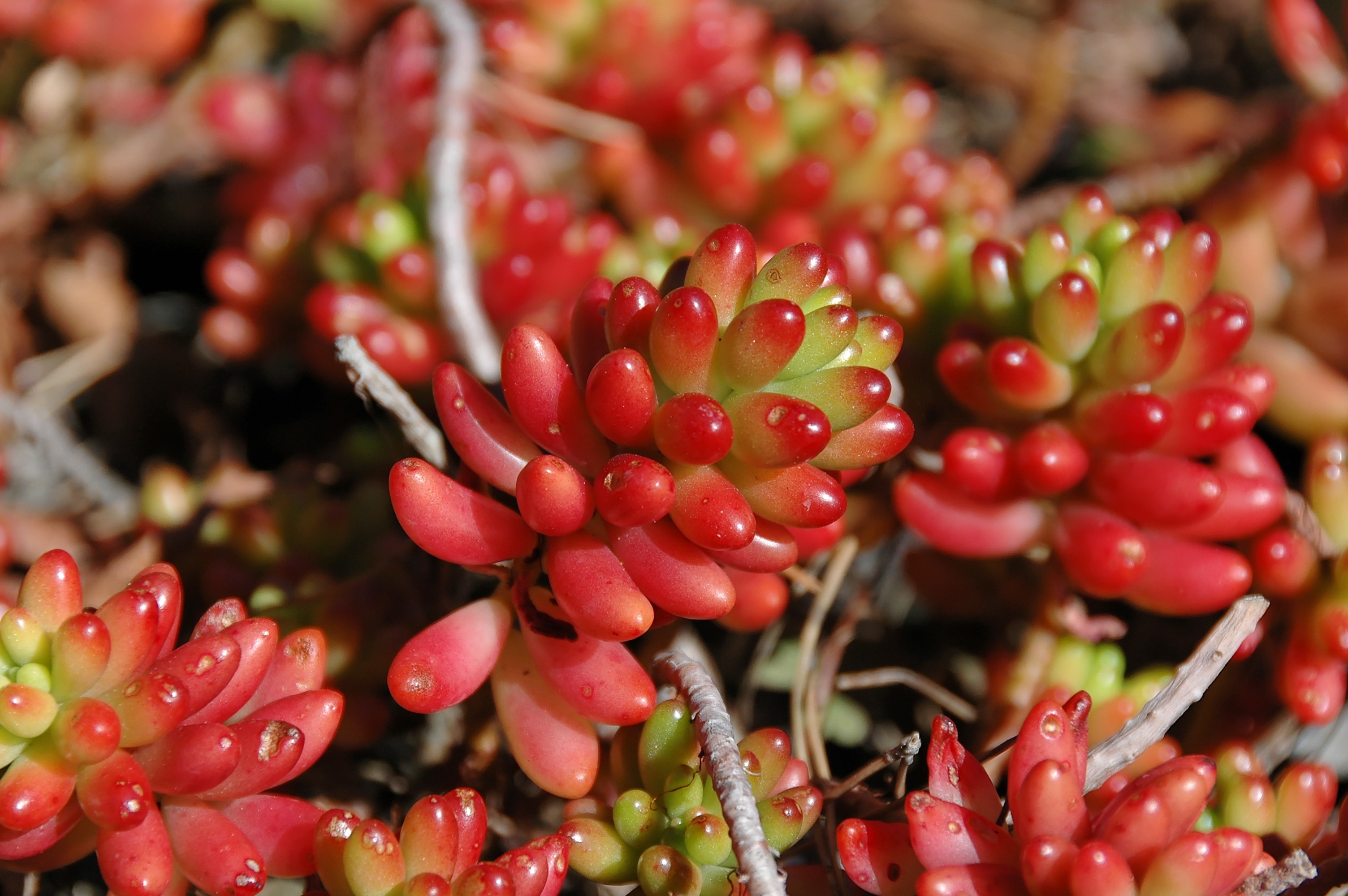
200603116656 Red Succulents Red Succulents Succulents Succulent Images

Pin By L On Flowers Succulents Plants Flowers

5 34in Mixed Red Green Succulent Ball Wood Flower Box Succulents

Hen And Chicks Succulents In Red Succulents Hens And Chicks Sempervivum

11 Most Popular Echeveria Types Succulents Red Succulents Planting

Flower In White Limegreen Succulents Bloom Plants
Post a Comment for "Succulents With Red Flowers: A Guide to the Most Striking Varieties"