Plant Sensation: Unlocking the Secrets of the Green WorldConclusion
Plants have been an essential part of human civilization for centuries. From providing food to medicines, they have been our constant companions in the journey of evolution. But did you know that plants are capable of much more than just providing us with sustenance? Recent research has revealed that plants can sense their surroundings and even communicate with each other. This phenomenon is commonly known as "Plant Sensation." In this blog post, we will explore the fascinating world of plant sensation and uncover some of its most intriguing secrets.
The Science Behind Plant Sensation
Plants are not mindless creatures; they are highly adaptive organisms that are capable of sensing and responding to changes in their environment. They use chemical signals, touch, and even sound to communicate with each other and the world around them. For example, when a plant is attacked by a herbivore, it releases chemicals that attract predators of the herbivore. This not only helps the plant defend itself but also maintains the ecological balance of the ecosystem.
Plants also have the ability to sense light, gravity, and temperature. These sensory systems help them determine their orientation, which is crucial for growth and development. For example, if a plant is growing sideways due to gravity, it can sense the change in orientation and adjust its growth accordingly. Similarly, plants can sense changes in light intensity and adjust their photosynthesis rates accordingly.
How Do Plants Communicate?
Plants use a variety of methods to communicate with each other. One of the most common methods is through chemical signals. When a plant is under attack, it releases chemicals that signal nearby plants to prepare for an impending attack. This process is called "plant-to-plant communication" or "plant signaling."
Another method of communication is through touch. Plants can detect physical contact and respond accordingly. For example, if a plant's leaves are touched, it might close its leaves to protect itself. Similarly, if a plant is growing near other plants, it might adjust its growth to avoid crowding.
Plants can also communicate through sound. Studies have shown that plants produce sounds that are inaudible to humans but can be detected by other plants. These sounds can convey information about the plant's health, stress levels, and even water needs. This form of communication is known as "plant acoustics."
The Role of Microbes in Plant Sensation
Microbes play a crucial role in plant sensation. They help plants absorb nutrients, defend against pathogens, and even regulate their growth. Moreover, microbes can communicate with each other and with plants, creating a complex web of interactions that is essential for the health of both the plant and the ecosystem.
One way microbes communicate with plants is through the production of "elicitors." Elicitors are compounds that trigger an immune response in plants, helping them defend against pathogens. At the same time, elicitors attract beneficial microbes that can help the plant fight off infections.
Plant Sensation and Human Health
The study of plant sensation has numerous implications for human health. For example, several plant compounds have been found to have anti-inflammatory and anti-cancer properties. Moreover, the use of plants in traditional medicine has been practiced for centuries and continues to be a primary source of medicine for many communities.
Additionally, the study of plant sensation can help us understand how to design more sustainable agriculture systems. By understanding how plants communicate and interact with their environment, we can develop agricultural practices that are more efficient and environmentally friendly.
The Future of Plant Sensation Research
The study of plant sensation is still in its infancy, and there is much to be discovered. As technology advances, researchers will be able to explore the intricate world of plant signaling and communication in greater detail. This will lead to new insights into how plants interact with their environment and each other.
Moreover, the study of plant sensation can help us develop new technologies that are inspired by nature. For example, scientists are studying the mechanisms of photosynthesis to create more efficient solar cells. Similarly, the development of new materials that mimic the properties of plant cell walls could have numerous applications in industry.
Frequently Asked Questions
Q1: What is plant sensation?
Plant sensation refers to the ability of plants to sense and respond to changes in their environment. This includes the ability to communicate with other plants and even microbes.
Q2: How do plants communicate with each other?
Plants can communicate with each other through chemical signals, touch, and sound. For example, when a plant is under attack, it releases chemicals that signal nearby plants to prepare for an impending attack.
Q3: What role do microbes play in plant sensation?
Microbes play a crucial role in plant sensation. They help plants absorb nutrients, defend against pathogens, and even regulate their growth. Moreover, microbes can communicate with each other and with plants, creating a complex web of interactions that is essential for the health of both the plant and the ecosystem.
Q4: Can plants hear sounds?
Plants can produce sounds that are inaudible to humans but can be detected by other plants. These sounds can convey information about the plant's health, stress levels, and even water needs. This form of communication is known as "plant acoustics."
Q5: How does plant sensation affect agriculture?
By understanding how plants communicate and interact with their environment, we can develop agricultural practices that are more efficient and environmentally friendly.
Q6: Can plant compounds be used for medicine?
Several plant compounds have been found to have anti-inflammatory and anti-cancer properties. Moreover, the use of plants in traditional medicine has been practiced for centuries and continues to be a primary source of medicine for many communities.
Q7: What is the future of plant sensation research?
The study of plant sensation is still in its infancy, and there is much to be discovered. As technology advances, researchers will be able to explore the intricate world of plant signaling and communication in greater detail.
Q8: How can plant sensation research help us design more sustainable agriculture systems?
By understanding how plants communicate and interact with their environment, we can develop agricultural practices that are more efficient and environmentally friendly.
Q9: What are some new technologies inspired by plant sensation research?
Scientists are studying the mechanisms of photosynthesis to create more efficient solar cells. Similarly, the development of new materials that mimic the properties of plant cell walls could have numerous applications in industry.
Q10: What are some examples of plant-to-plant communication?
When a plant is under attack, it releases chemicals that signal nearby plants to prepare for an impending attack. This process is called "plant-to-plant communication" or "plant signaling."
Plant sensation is a fascinating topic that has captured the attention of scientists and researchers worldwide. From chemical signals to sound, plants use a variety of methods to sense their surroundings and communicate with each other. The study of plant sensation has numerous implications for human health and sustainable agriculture. With continued research, we will unlock even more secrets about the green world around us.
12 Plant sensation Images
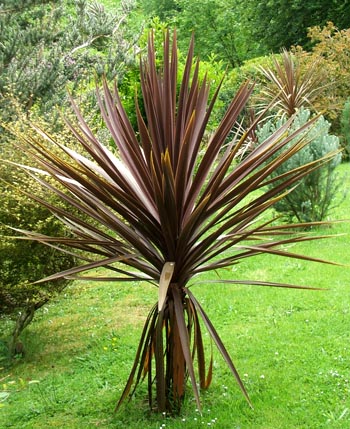
Pin On An Affair With Cactus And Succulents

Pin On Backyard Garden

199 Best Images About TropicalDrought Resistant Plants On Pinterest

Pin By Michelle T On Passion For Pink Rose Plants Flowers

163 Best Images About Purple Perennials On Pinterest Bearded Iris

GAP Photos Garden Plant Picture Library Allium Purple Sensation

Sansevieria Bantels Sensation Snake Plant Plants Wholesale Plants

Cordyline Australis Red Sensation Cabbage Palm Cabbage Tree Ti

17 Best Images About Flower Power Fall 2014 On Pinterest Daffodils

Allium Purple Sensation Planting Herbs Garden Shop Allium

Three Or Six Cordyline Red Sensation Plants From 1499 With Free

Allium Purple Sensation Google Search Allium Flowers Plants
Post a Comment for "Plant Sensation: Unlocking the Secrets of the Green WorldConclusion"